All Categories
Featured
Table of Contents
As grocery store pickup need grows, merchants need to buy specialized training for staff included in pickup operations. Staff members should be well-versed in order fulfillment procedures and customer care best practices. Training programs ought to focus on establishing abilities such as effective order selecting, precise order assembly, and efficient customer interaction.
By equipping personnel with the knowledge and skills necessary to provide extraordinary service, stores can make sure a smooth and acceptable curbside grocery pickup experience. As need for curbside grocery order pickup services continues to rise, customer-centric scheduling systems are important for handling need and ensuring a smooth buyer experience. Allowing customers to choose their preferred pickup times permits them to plan pickups around their schedules, leading to increased satisfaction and loyalty.
In addition, implementing flexible scheduling policies, such as allowing customers to customize or cancel their pickup times within a reasonable time frame, can boost the client experience. An effective workflow is essential for managing increased grocery order pickup volumes. Supermarket should analyze their present processes and determine areas for enhancement, consisting of: Redesigning the shop layout to develop devoted pickup locations.
Implementing one-way aisles to lower congestion. Executing mobile technology, such as hand-held gadgets or wearables, can assist personnel quickly find products, update inventory in genuine time, and interact with associates. As need for pickup services grows, grocery stores need to adopt sophisticated techniques and systems for real-time inventory tracking and forecasting.
Driving Social Network Income through Commerce ToolsArtificial intelligence algorithms can examine historical sales data, seasonal trends, and customer habits to predict future need and enhance stock levels. Incorporating these technologies with existing order management systems enables supermarket to proactively deal with possible stockouts and improve order precision. Grocery stores should enhance their order fulfillment methods to keep up with the growing demand for curbside pickup.
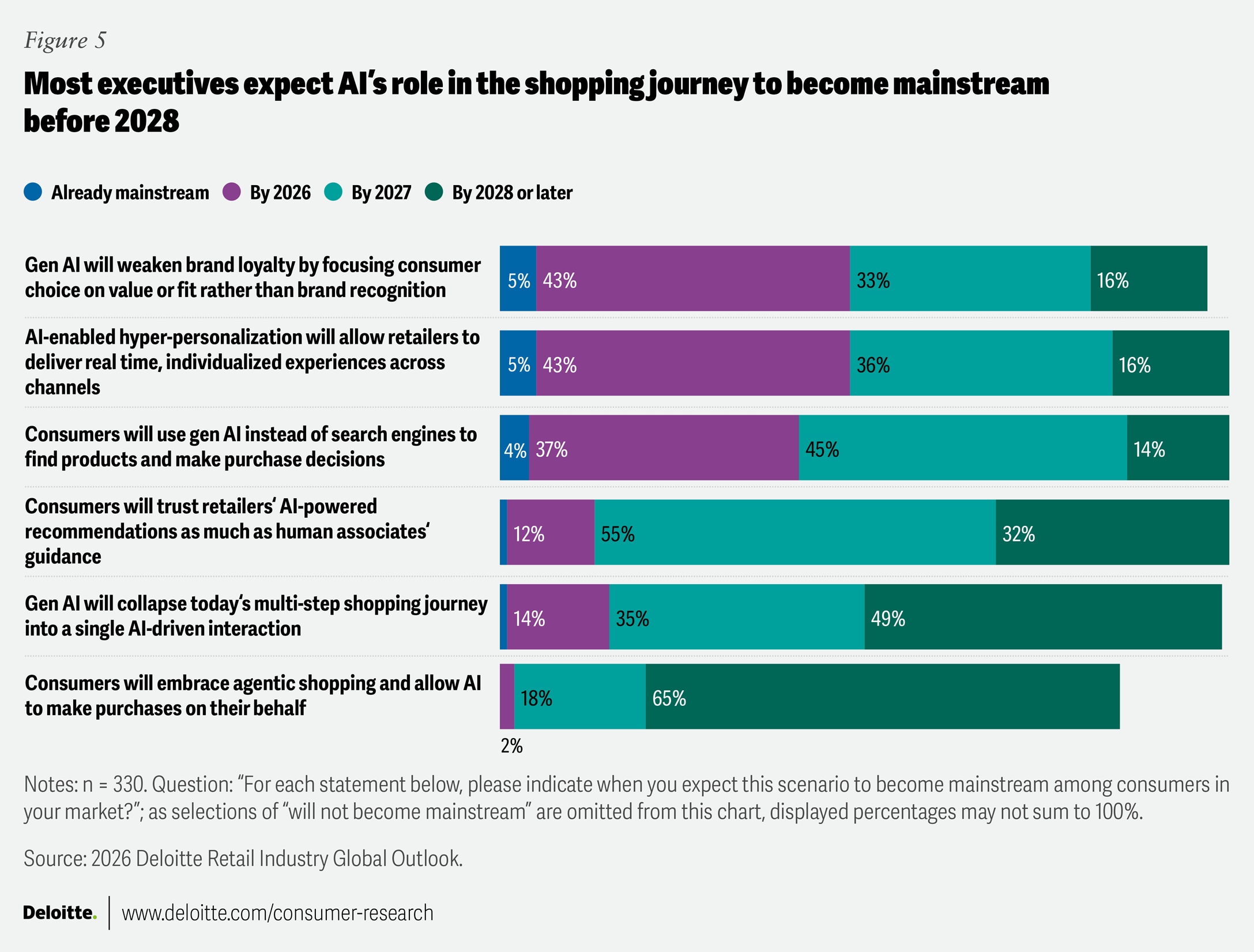
Linking Global Inventory Across Multiple Sales Channels
Consider these handy approaches: A comprehensive system can help automate order allocation, choosing, and packing processes. Designating specific locations for order staging and executing transparent labeling systems can help personnel rapidly locate and fill orders into consumer automobiles.
Examining historical sales data, seasonal fluctuations, and customer behavior permits sellers to find grocery pickup need trends and prepare for them. Advanced analytics tools can recognize patterns and connections that may not be right away obvious, such as the effect of weather on item choices or the relationship between marketing activities and pickup volumes.
Predictive analytics can also assist staffing choices, guaranteeing sufficient workers are readily available during peak pickup hours. With data analytics, grocery merchants can proactively boost the performance of curbside pickup services. Sellers must actively seek and include client feedback to stay ahead in the rapidly progressing grocery pickup landscape. Frequently gathering insights through surveys, online evaluations, and direct consumer interactions can help identify areas for improvement and guide future service improvements.
A proactive client service strategy is also vital for attending to concerns promptly and turning unfavorable experiences into positive ones. By accepting constant enhancement driven by consumer feedback, sellers can stay nimble and adjust to the ever-changing needs of the curbside grocery pickup market. Here are responses to a few of the most common questions about making the most of grocery pickup: Covered parking structures provide important weather condition protection for consumers and staff members throughout curbside pickup.
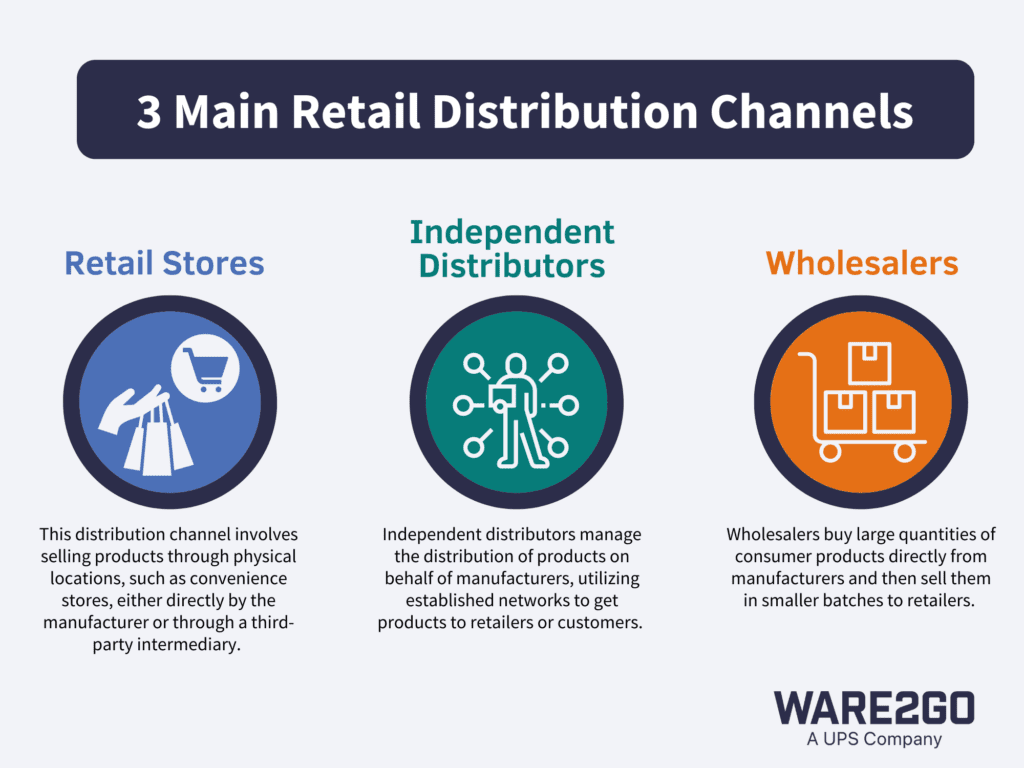
Optimizing Next-Gen Multi-Channel Logistics Frameworks
Shade structures also help define devoted pickup zones and improve traffic flow, adding to increased consumer satisfaction and loyalty. To efficiently manage inventory for curbside pickup, grocery shops need to buy sophisticated inventory management systems that offer real-time stock updates and smooth integration in between online platforms and in-store inventory. Carrying out tools like RFID technology, automated replenishment systems, and information analytics can help enhance order fulfillment precision.
These ingenious structures offer necessary weather condition defense, clearly defined loading zones, and enhanced branding opportunities. With customizable alternatives and benefits like solar panel integration and waterproof products, VPS can supply a tailored service for your store.
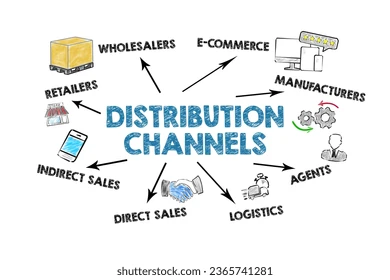
Walmart, for example, is exploring with a dedicated drive-up and parking for online customers. The development of buying online and choosing up in store, as well as in-store returns for online purchases, is driving consumer shopping expectations.
Winning Tips for Scaling On Multiple Digital Platforms
What follows are essential factors in carrying out BOPIS purchase online, select up in-store. By integrating its offering early in the browse experience, Best Buy catches customers in the consideration stage, presenting an engaging option to the benefit of Amazon Prime.

Latest Posts
WMS Tools for 2026 Success
Integrate Local Stock Nodes Into Digital Sales Systems
Comparing Legacy vs Next-Gen Inventory Tools